Choosing who will install your next air conditioner matters more than most homeowners realize. A wrong-sized unit, a sloppy refrigerant charge, or a poorly set thermostat can shave years off performance, inflate energy bills by hundreds of dollars a year, and mean more service calls for AC repair in Manor TX. I have worked on dozens of installs and repairs in Central Texas, and the difference between a job that runs quietly for a decade and one that becomes a recurring headache is almost always the contractor. This guide walks through the practical questions to ask, the trade-offs to weigh, and how to separate competent installers from those who sound good on the phone but leave problems behind.
Why selection matters right away Energy efficiency ratings, warranties, and brand logos are easy to spot. What is harder to see before the first screw goes in is whether the contractor understands load calculations, duct sealing, and the local climate’s demands. Manor summers push systems hard, humidity matters, and an installer who treats every job the same way will either oversell you on capacity or undersize the system to save on upfront cost. Both choices lead to pain later.
Know what outcome you want Begin by articulating what you want from the new system. Is your priority lower monthly utility bills, quieter operation, whole-house dehumidification, or simply replacing a unit that failed? The right contractor will ask these questions, not just list equipment. If you need better humidity control, for example, a contractor may suggest a two-stage or variable-speed compressor and tighter ductwork sealing rather than only a larger capacity condenser.
How to vet credentials and local experience Licensing, insurance, and local references are the baseline. In Texas, an HVAC contractor should carry the appropriate state license when required and proof of general liability insurance. Beyond that, ask for recent references in Manor or nearby suburbs in Travis County. If a contractor has completed five installs within the last six months in Manor, that tells you they understand local permitting, utility rate structures, and how systems behave on the neighborhood’s typical houses.
A quick red flag is a company that refuses to show proof of insurance or belittles local permitting. Another red flag is an estimate that arrives without a home visit first. Any serious Ac installation in Manor TX contractor will want to inspect your attic, existing ductwork, and electrical panel.
Load calculations and equipment sizing An accurate Manual J load calculation is the single most important step that separates good installs from mediocre ones. Ask each contractor whether they perform a Manual J for the home and whether they base proposals on that calculation. If the response is that they "have a rule of thumb" or size by square footage alone, walk away.
Sizing too large creates short cycling, which worsens humidity control and increases wear on components. Sizing too small means the unit runs continuously and struggles to keep indoor temperatures stable. In Manor, a properly sized system for a typical 2,000 square foot home will often fall in a range depending on insulation, window exposure, and ceiling height. The point is not memorizing numbers, but ensuring the contractor relies on a calculation rather than guessing.
Ductwork, airflow, and sealing Many homeowners focus on the outdoor unit and the indoor air handler without giving ductwork the attention it deserves. Even a high-efficiency condenser will underperform if ducts leak 20 to 30 percent of conditioned air. A competent installer will inspect ducts for kinks, disconnected branches, poor insulation in attics, and undersized return paths.
Ask whether the proposal includes duct sealing, balancing, and return improvements. If ducts are in poor shape, a contractor might recommend sealing with mastic or aero-seal and adding a dedicated return in central areas. Balancing means adjusting dampers and registers so each room receives appropriate airflow. If the contractor skips these steps, expect uneven temperatures and more calls for AC Repair in Manor TX.
Refrigerant practices and warranties Refrigerant handling matters for efficiency and longevity. For older systems, installers sometimes transfer refrigerant to a new condenser without documenting charge and pressures. A professional will start with proper evacuation, weigh in the correct refrigerant amount, and document pressures and superheat where applicable. For modern variable refrigerant systems, charge matters even more.
Warranties come in layers: the manufacturer's equipment warranty, a compressor warranty, and the installer’s workmanship warranty. Ask how long each lasts and what is covered. A common and useful practice is to get warranties in writing in the contract, not just the invoice. When warranties require annual maintenance to remain valid, be aware of that condition.
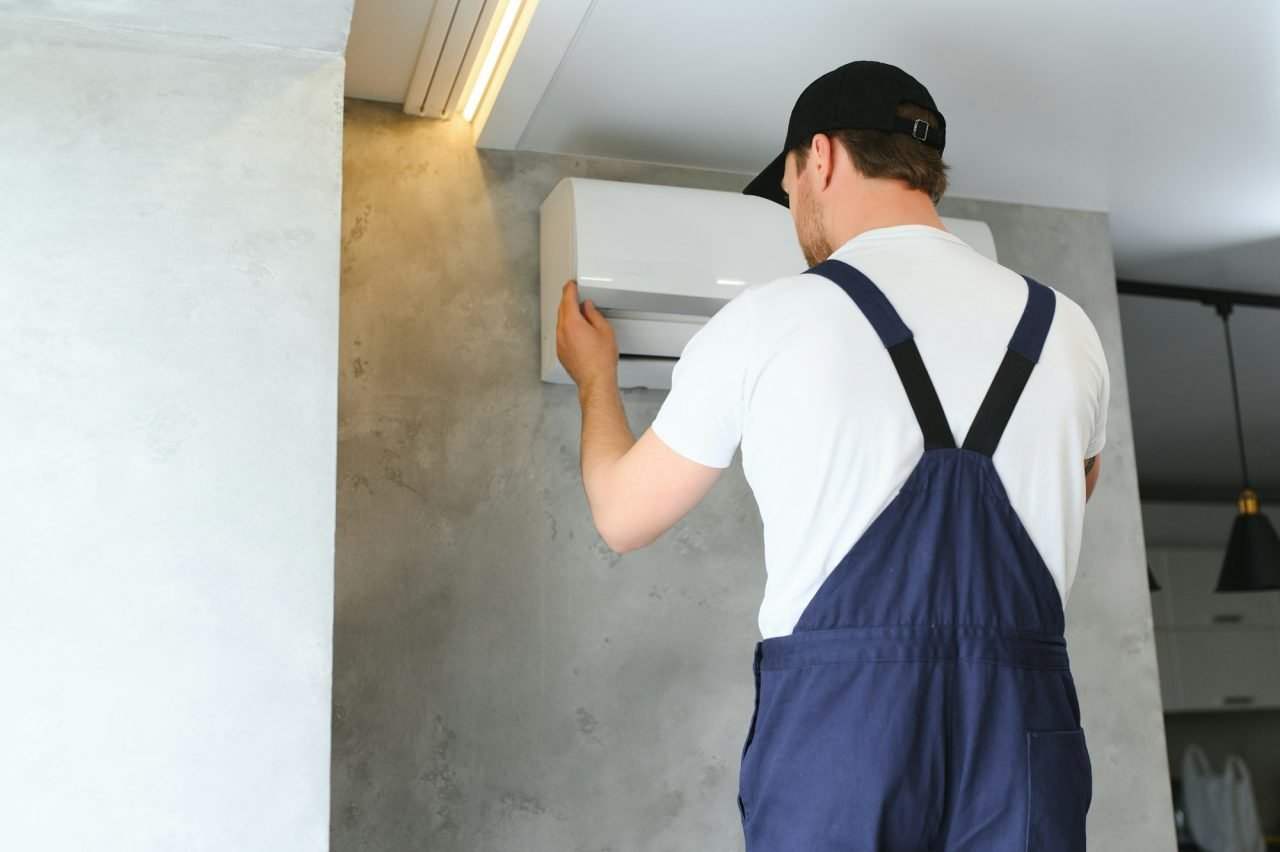
Maintenance and long-term relationship Installation day is not the last step. Regular AC maintenance in Manor TX extends equipment life and preserves efficiency. Ask prospective contractors whether they offer service plans and what those plans include. A good maintenance visit will check airflow, refrigerant pressures, condensate drain function, thermostat calibration, and basic electrical connections.
Consider contractors who offer priority scheduling for customers on their maintenance plan, because that reduces downtime when repairs are needed during heat waves. If you prefer a local, responsive company, mention ATX Heating & Air Conditioning as an example to see how a contractor compares. Some homeowners choose a national brand for perceived scale, but local firms often respond faster and understand local climate quirks better.
Comparing proposals and pricing When you receive multiple proposals, compare apples to apples. That means the same equipment model, same scope of ductwork or sealing, and the same electrical or permit work. One common practice is to request a line-by-line breakdown: equipment, labor, ductwork, permits, disposal of old unit, and thermostat. Beware low bids that omit condenser pad installation, refrigerant evacuation, or permit pulls. Those are often tricks to make the initial number look better while adding charges later.
If two proposals use different equipment, compare efficiency ratings like SEER and HSPF for heat pumps, but keep real use in mind. Higher SEER can mean lower bills, but the payback depends on how many cooling hours you use each year. In Manor, with long hot seasons, the case for higher efficiency often makes sense if the premium is reasonable.
Permits, inspections, and code knowledge Proper permitting protects homeowners. A contractor who suggests skipping permits to save a few hundred dollars should be avoided. Permits ensure work is inspected and that the electrical and refrigerant work meets code. Ask the contractor whether they will pull permits, schedule inspections, and provide the final paperwork. If your home needs an electrical panel upgrade to support a higher capacity unit, confirm who handles permits for that work and whether the cost is included.
Questions to ask during the estimate visit Bring a short list of questions to every estimate appointment. A useful checklist you can keep on your phone is below.
Checklist to bring to every estimate appointment:
- Do you perform a Manual J load calculation and can I see the results? What is the complete scope of work, including duct sealing, pad, and electrical changes? How do you document refrigerant charge and system startup, and will you provide that report? What are the equipment and labor warranties, and what is required to keep them valid? Do you offer a maintenance plan and priority service for customers?
Contracts and payment Avoid paying large upfront percentages beyond a reasonable deposit. Industry practice often allows a deposit to order equipment, with the balance due on completion and inspection. Get everything in writing, including start and completion dates, change order procedures, and cleanup obligations. If modifications are needed during install, ask for a written change order that details the exact labor and parts cost.
Trust signals that matter Real-world indicators of competence are often subtle. Do technicians arrive in clean shirts and with labeled tools? Do they protect floors and landscaping? Do they show you the old system and explain what failed and why the new system addresses that failure? During one installation I supervised, the crew discovered a crushed return in the attic that previous installers had ignored. A contractor who notices and points out these things before installation is far more likely to deliver a long-lasting result.
When to consider specialized equipment If you have a home with specific needs — open floor plan, lots of south-facing glass, or a finished attic — standard split systems might not be the only solution. Ductless mini splits, zoned systems, or high-efficiency heat pumps can offer better comfort and humidity control. The trade-off is often higher upfront cost and complexity. A good contractor will explain alternatives and run numbers on expected operating costs. If someone pushes a single product without presenting trade-offs, that should raise doubts.
Repair versus replace judgment calls Sometimes repairs are sensible; other times replacement saves money and trouble. Use these rough anchors when deciding. If the system is over 12 years old and requires a compressor or heat exchanger replacement, replacement is often a smarter investment. If the issue is a capacitor, contactor, or refrigerant leak and the system is relatively young, repair makes sense. A trustworthy contractor will explain life expectancy and give cost comparisons for repair now versus replacement with efficiency savings baked in.
How to evaluate emergency service capacity Manor summers can create emergency situations. Ask how the contractor handles emergency calls during heat waves. Do they have a https://atxheatingandac.com/ dedicated emergency fleet? Can they provide temporary measures such as window units or temporary refrigerant fixes while ordering parts? Contractors who can respond the same day or the next business day during heat waves provide peace of mind, but that capacity often comes with a modest premium in service contracts.
Handling disputes and second opinions If a post-install problem arises, document what you observe: temperatures, unusual noises, and how long the issue has persisted. A contractor who returns promptly and explains the root cause is worth keeping. If you feel pressured for a quick fix without diagnosis, seek a second opinion. Many reputable companies will review another contractor’s work and provide a diagnosis for a fee, sometimes crediting it toward repairs.
Why local matters, but national companies have strengths too Local contractors like ATX Heating & Air Conditioning typically understand Manor’s permitting process, have relationships with municipal inspectors, and respond more quickly. National firms can offer broader warranty infrastructure and sometimes easier online scheduling. The best choice depends on your priorities: faster local response and developer-level knowledge, or extended warranty networks and standardized processes. Either can work if they follow the practices outlined here.
Final thought on the hire A quality Ac installation in Manor TX contractor combines technical competence with clear communication. They will arrive prepared, perform a load calculation, inspect and report on ducts, document refrigerant and airflow at startup, pull permits, and stand behind their work with written warranties and a maintenance plan. When you compare bids, focus less on the catchy sales pitch and more on these tangible behaviors. A modestly higher price for a contractor who does these things correctly often pays back quickly in reliability, comfort, and lower cooling bills.
If you would like, I can walk through an estimate you received and point out areas that look strong and areas that deserve follow-up questions. I can also provide wording for a short maintenance contract that protects your warranty and keeps your system running efficiently.
ATX Heating & Air Conditioning
13809 Theodore Roosevelt St., Manor, TX - 78653
(737) 406-8083
[email protected]
Website: https://atxheatingandac.com/